How to Start a Garment Manufacturing Business in 2026 – Step-by-Step Success Guide by Modazer
This comprehensive guide covers every stage of launching and scaling a garment factory — from setup, fabric sourcing, stitching, printing, branding, and marketing — all shared from the practical experience of Modazer Uniforms, one of India’s trusted garment and t-shirt manufacturers.
🧵 How to Start a Garment Manufacturing Business in 2026
Complete Step-by-Step Guide by Modazer
🏁 Introduction
The Indian garment industry is one of the largest in the world — contributing nearly 15% of India’s total export earnings and employing millions. From trendy t-shirts to uniforms, activewear, and fashion apparel — the demand for quality garments is growing faster than ever.
With new technology, e-commerce growth, and easy access to fabrics, 2026 is the perfect year to start your own garment manufacturing business. Whether you want to start small or aim to build a large-scale factory, this detailed guide by Modazer will show you every step — from concept to profit.
🎯 Step 1: Understand the Garment Industry
Before starting, you must understand the structure of the garment industry. It is broadly divided into the following sectors:
- Ready-Made Garments (RMG) – Pre-stitched garments like shirts, trousers, t-shirts, dresses, etc.
- Uniform Manufacturing – Corporate, school, and industrial uniforms.
- Sportswear & Activewear – Jerseys, tracksuits, gym wear, etc.
- Fashion Apparel – Designer wear, women’s and men’s fashion.
- Export Garments – Large-scale production for global brands.
Each sector has different customer expectations, pricing, and quality standards. Identify your target market before you start.
🧩 Step 2: Decide Your Garment Business Model
There are multiple ways to start a garment business depending on your investment, expertise, and target customers.
1. Job Work / Contract Manufacturing
You produce garments for other brands or exporters.
✅ Steady work
✅ Low marketing cost
✅ Ideal for beginners
2. Own Garment Brand
You create and sell your own label through online or retail channels.
✅ High profit margin
✅ Strong brand potential
✅ Needs marketing investment
3. Wholesale Manufacturing
You produce garments in bulk and supply to retailers or distributors.
✅ Consistent demand
✅ Best for B2B model
4. Custom & Uniform Manufacturing
Manufacturing t-shirts, shirts, or uniforms for companies, schools, and events.
✅ Less competition
✅ Regular repeat orders
Modazer Tip: Begin with uniform or custom t-shirt manufacturing — it gives you steady cash flow and helps build industry connections.
🪙 Step 3: Estimate the Investment & Budget
Starting a garment manufacturing business can range from small to large scale.
| Setup Type | Approx. Investment | Ideal Space | Output/Day |
|---|---|---|---|
| Home-Based Stitching Unit | ₹50,000 – ₹2 lakh | 200–500 sq. ft. | 50–100 pcs |
| Small Workshop | ₹5–10 lakh | 800–1200 sq. ft. | 200–400 pcs |
| Medium Factory | ₹15–25 lakh | 1500–3000 sq. ft. | 500–1000 pcs |
| Large Unit | ₹30 lakh+ | 5000+ sq. ft. | 1500+ pcs |
Major Expenses
- Stitching & cutting machines
- Fabric & accessories
- Labor salaries
- Rent & utilities
- Printing setup
- Packaging materials
Modazer Uniforms helps new entrepreneurs reduce costs by providing machine setup guidance, raw material contacts, and training support.
🧵 Step 4: Learn the Garment Manufacturing Process
Every successful manufacturer follows a structured process. Here’s how Modazer’s workflow looks:
1. Design & Sampling
Create garment designs and sample pieces before production.
2. Fabric Sourcing
Buy fabric based on customer needs — cotton, polyester, denim, lycra, etc.
3. Fabric Cutting
Lay fabric layers and cut according to patterns and sizes.
4. Stitching / Sewing
Stitch garments using specialized machines like overlock, flatlock, and single-needle.
5. Printing / Embroidery
Add logos, branding, or graphics using screen, sublimation, or DTF printing.
6. Finishing & Quality Check
Trim threads, check measurements, and inspect stitching quality.
7. Ironing & Packaging
Neatly iron, fold, tag, and pack garments for delivery.
This step-by-step production cycle ensures efficiency and quality — the backbone of Modazer’s success.
🧰 Step 5: Machines and Equipment Required
Here’s a list of essential machines for your garment unit:
| Machine Type | Function |
|---|---|
| Single Needle Lockstitch | Basic stitching |
| Overlock / Serger | Seaming fabric edges |
| Flatlock | Sportswear stitching |
| Buttonhole Machine | Shirt & formal garments |
| Cutting Machine | Bulk cutting |
| Fusing Machine | Collar and cuffs |
| Heat Press / Printing Machine | Logo or design printing |
| Ironing Table | Finishing |
| Tagging & Packing Tools | Branding & delivery |
Modazer Tip: Start with multipurpose machines to save investment initially and upgrade as you grow.
👕 Step 6: Choose Your Niche Garment Type
Don’t try to make everything at once. Focus on one or two categories first.
Profitable Niches in 2026
- Custom t-shirts & polos
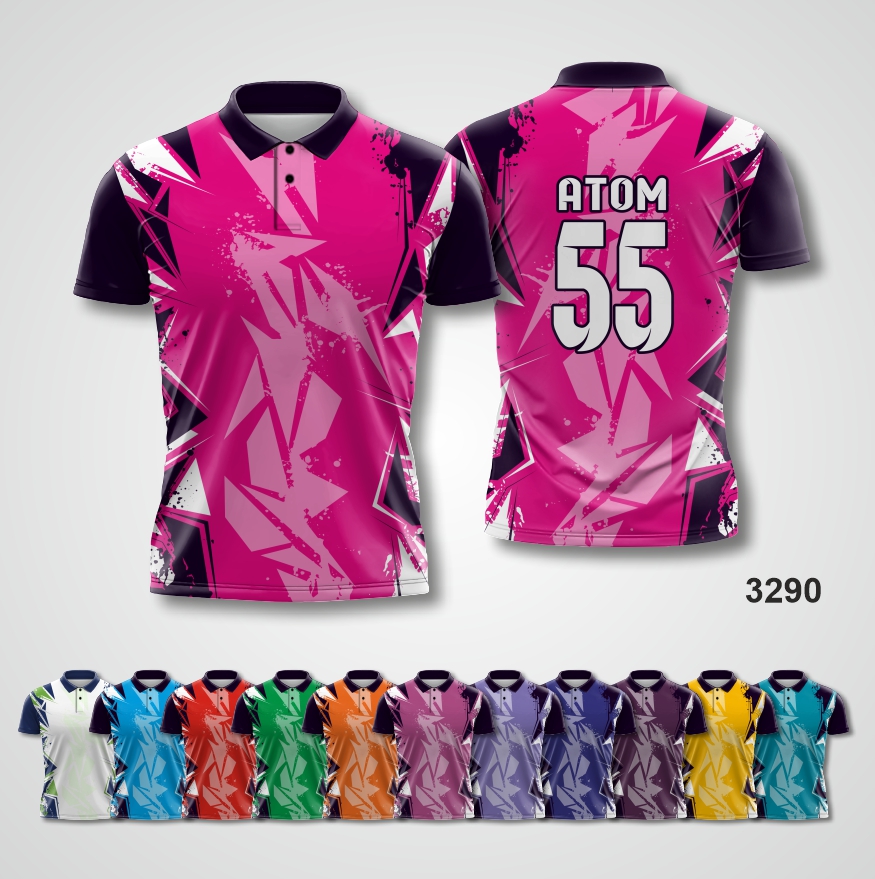
- Sportswear & jerseys
- Corporate uniforms
- Kidswear & women’s tops
- Export knitwear
Choosing a specific niche allows better brand recall and efficient production.
🧶 Step 7: Fabric and Material Sourcing
Quality fabric defines the reputation of your brand. Common fabrics used include:
- Cotton: Soft, breathable – perfect for casual wear.
- Polyester/Dry Fit: Moisture-wicking – ideal for sportswear.
- Lycra: Stretchable – used in gym wear and leggings.
- Denim: Durable – used for jeans and jackets.
- Blends (Poly-Cotton, Rayon): Affordable and versatile.
Pro Tip: Always work with 2–3 reliable fabric suppliers. Modazer can connect you to verified mills and wholesalers in Mumbai and Tirupur.
🪡 Step 8: Manpower Planning
A strong team is key to garment manufacturing success.
Basic Staff Required
- Tailors / Stitching Operators
- Cutting Master
- Supervisor / Quality Checker
- Printing Operator
- Helper / Ironman
- Packaging Staff
Train your team for accuracy and speed. Modazer offers training sessions for new factories to improve productivity.
🏭 Step 9: Factory Setup and Layout
Your layout impacts efficiency and quality.
Factory Layout Tips
- Divide space into zones: Cutting, Stitching, Printing, Finishing, Packing.
- Maintain good ventilation and lighting.
- Keep fabric storage separate from sewing area.
- Use ergonomic tables and chairs for workers.
- Follow safety measures (fire extinguishers, emergency exits).
Pro Tip: A clean, organized factory ensures faster production and fewer reworks.
🎨 Step 10: Printing, Branding & Embroidery
Adding custom logos and prints makes garments stand out.
Popular Printing Methods
- Screen Printing – For bulk uniform orders.
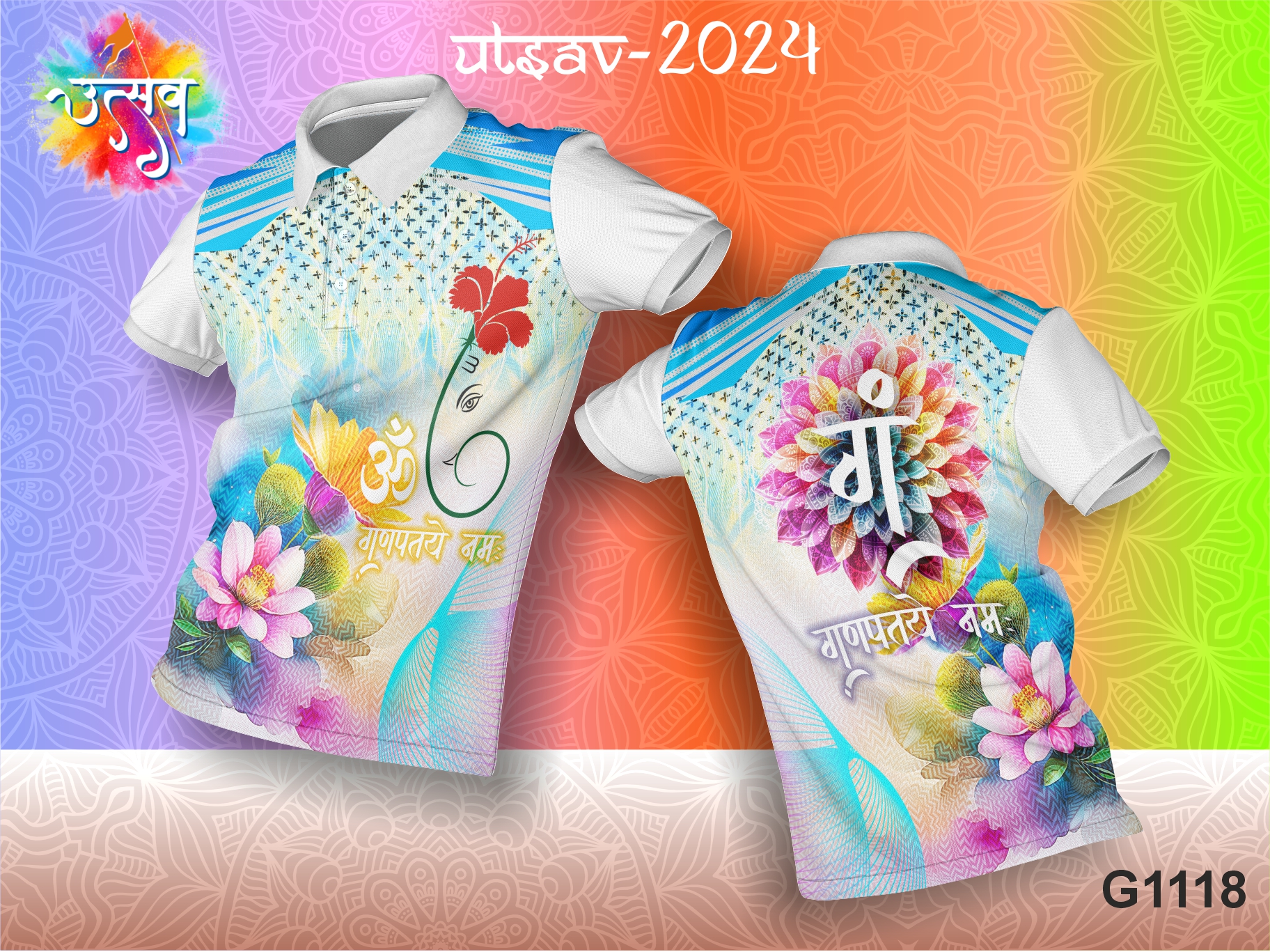
- Sublimation Printing – For sportswear and polyester.
- DTF Printing – For detailed designs and small batches.
- Embroidery – For premium uniforms and branding.
Modazer uses all these techniques with professional-grade machines to deliver durable, vibrant results.
💼 Step 11: Business Registration and Legal Setup
Registering your business builds trust and enables you to sell B2B or export.
Legal Requirements
- GST Registration – For tax compliance
- MSME (Udyam) Certificate – For government benefits
- Trade License – For local operations
- Trademark Registration – Protects your brand name
- Import-Export Code (IEC) – For export business
Having these documents ready also helps when applying for business loans or supplier partnerships.
📈 Step 12: Costing & Pricing Strategy
Pricing decides your profit and competitiveness.
Key Cost Components
- Fabric & trims
- Labor & wages
- Printing & finishing
- Packaging
- Electricity, rent, and transport
Example Calculation:
If your per-piece production cost = ₹200
Add 30% profit margin → Selling price = ₹260
Add branding and packaging for premium look → ₹300–₹350 retail price
Modazer Tip: Keep 40–60% margin in retail and 25–35% in bulk B2B sales.
🧾 Step 13: Quality Control & Inspection
Consistent quality brings repeat clients.
Quality Parameters to Check
- Stitch strength and neatness
- Size measurement accuracy
- Fabric color and shrinkage
- Logo print alignment
- Tag and label placement
Modazer follows 3-step quality inspection before delivery — fabric check, mid-production inspection, and final finishing QC.
🌐 Step 14: Build Your Brand Identity
Branding is more than just a name. It’s how customers remember you.
Branding Essentials
- Catchy brand name and logo
- Professional packaging (tags, labels, bags)
- Product catalog and photoshoot
- Website & social media handles
- Consistent tone and message
Modazer helps new brands design logos, tags, and catalog layouts to look professional from day one.
📢 Step 15: Marketing & Sales Strategies
Once your production starts, you need to market your brand effectively.
Online Marketing
- Instagram & Facebook Ads – Show your designs and factory.
- Google Business Listing – Get local bulk orders.
- E-commerce Website – Sell directly to customers.
- WhatsApp Catalog – Send to corporate clients.
- YouTube Shorts & Reels – Behind-the-scenes videos attract trust.
Offline Marketing
- Distribute sample t-shirts to local companies.
- Attend garment expos and B2B trade fairs.
- Partner with schools, gyms, and corporate offices.
Pro Tip: Collect and post customer testimonials online to boost credibility.
🚀 Step 16: Scaling and Growth Plan
Once your business is stable, it’s time to grow.
Growth Strategies
- Add new product lines (jackets, hoodies, tracksuits).
- Hire marketing and sales executives.
- Upgrade to digital printing machines.
- Open a retail outlet or franchise.
- Export to nearby countries via B2B platforms.
Modazer Uniforms provides bulk outsourcing support and partnership programs for expanding factories.
💬 Step 17: Common Challenges & How to Overcome Them
| Challenge | Solution |
|---|---|
| Fabric delays | Maintain backup suppliers |
| Labor shortage | Train in-house tailors |
| Quality issues | Implement mid-line checks |
| Low sales | Focus on social media & B2B clients |
| Cash flow problems | Start with advance payments |
Remember, patience and consistency win in this industry.
🌟 Step 18: Secrets of Success in Garment Manufacturing
- Focus on quality before quantity.
- Keep your team motivated and trained.
- Build strong supplier and client relationships.
- Track your costs and productivity daily.
- Adapt to trends – color, fabric, and design.
- Partner with experienced manufacturers like Modazer for outsourcing and mentorship.
💬 Testimonials
“We started our small t-shirt factory with Modazer’s guidance. Today, we produce over 1,000 pieces a week.”
“Modazer helped us with machine selection, printing setup, and branding — their experience saved us months.”
“Our uniform orders are now handled by Modazer — quality and service are unbeatable.”
❓ FAQs – Garment Manufacturing Business in 2026
- How much does it cost to start a garment factory in India?
You can start small with ₹2–5 lakh and scale up as you grow. - What are the most profitable garment types?
Custom uniforms, sportswear, and branded t-shirts. - Do I need a big space to start?
Not initially — 500 sq. ft. is enough for a 2–3 machine setup. - Can I outsource stitching?
Yes, you can outsource production to Modazer until you set up your own unit. - Is export garment manufacturing profitable?
Yes, once you achieve consistent quality and compliance.
📞 Contact Modazer Uniforms
Company Name: Modazer Uniforms
Expertise: Garment & T-Shirt Manufacturing, Sublimation Printing, Uniforms
Service Areas: Mumbai, Vasai, Bhayander, Malad, Pan India
Contact: +91 7387067129
Email: info@modazer.com
Website: www.modazer.com
🏁 Conclusion
Starting a garment manufacturing business in 2026 is one of the most rewarding opportunities for entrepreneurs in India. With rising demand, online markets, and government support for MSMEs, the timing couldn’t be better.
Whether you want to produce t-shirts, uniforms, or sportswear, success comes from the right mix of planning, quality control, marketing, and partnerships.
By following these steps and learning from Modazer’s real-world experience, you can build a profitable, scalable, and sustainable garment business.
Your vision, paired with Modazer’s expertise, can create India’s next successful clothing brand.